DEVELOPMENT
THE WARRIOR CASTE
Under the Covenant of 748, there are two castes: The Warriors and The men.
The Warriors are those integrated within Skjǫldrinn (ranks S-07 to S-13), as well as those holding the rank of Úlfylgya (V-06). The men are those who are not integrated in Skjǫldrinn (ranks V-01 to V-05).
Among those men, a few may be able to sufficiently physically, mentally and spiritually develop and train to reach the combat-ready ranks of Hersir (V-03) and Jarl (V-04), and operate within Sverðin (The Swords).
EARNING RANKS
For all men, it begins with the rank of Hirðmaðr (V-01), which is achieved upon completion of an online training program and leads to formal registration under the Covenant of 748 with the issuance of a Herstal (Norse Identity Number). The rank of Hirðmaðr is also a requirement for membership in ÚLFASIÐR®.
Upon becoming a member of ÚLFASIÐR®, a Hirðmaðr may elect to seek further advancement and proceed with the vetting process, including in-person assessment, in order to be assigned to a Hirð (Unit) for training on a probationary basis, and as such, reach the rank of V-02.
Upon successful completion of an extensive training program, those Hirðmenn may be promoted to the rank of Hersir (V-03), or even Jarl (V-04) for the best performing individuals, with the corresponding status and responsibilities.
SVERÐIN
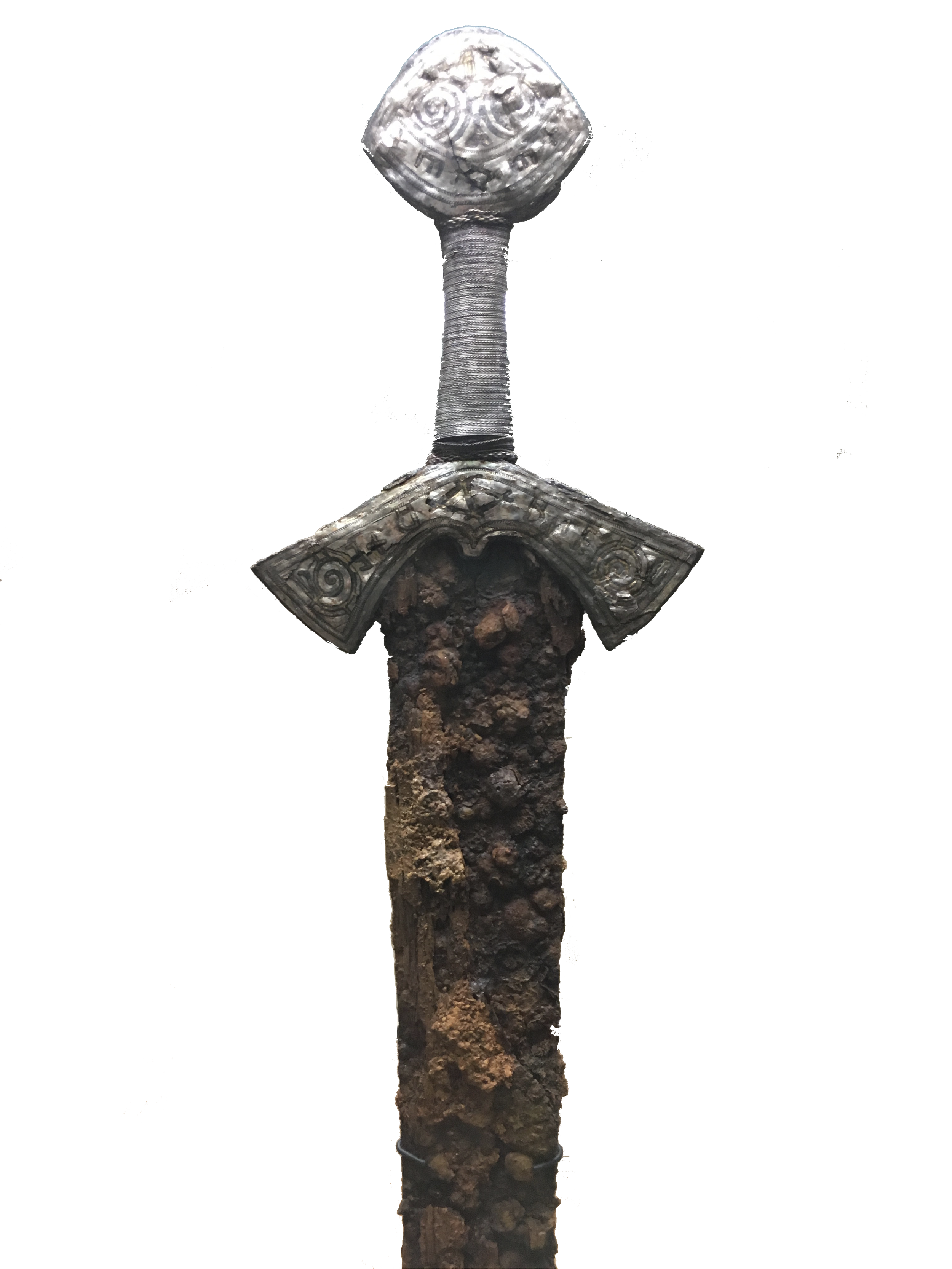
Sverðin was originally an independent ancestral Swedish military order going back several centuries. On Týrsdagr, 12 Þorri 1276 (6 February 2024), Sverðin became part of Norwegian/Danish Skjǫldrinn as per Karlsborgarsáttmál (Karlsborg Treaty). At which point, all legacy members of Sverðin were integrated within Skjǫldrinn, resulting in the Swedish military order being dissolved.
In order to continue the long legacy of the order, however, Sverðin was re-established as reserve force of Skjǫldrinn and Jómsvíkingar, consisting of Hersar Hirðir (Units) led by by one or two Hirðarforinjar (Unit Leaders), typically those holding the rank of Jarl (V-04) or Úlfylgya (V-06).
Sverðin literally translates to "The Swords” in norrœnt mál. This is very representative of what it represents to this day: A brotherhood of men together with a reserve force defined by strong warrior ethos.